The Return of the High Heel – Are we affecting our health to benefit our style?
Is being a tall woman returning with a rise of high heels? What has affected this change? Laila Holliday takes a look at these questions.
Heels have changed drastically over the years, from the original invention being made for men, with quite a low heel, to women wearing all different kinds of heels, even reaching a height of 9 inches (we’re looking at you Lady Gaga)! But at what cost?
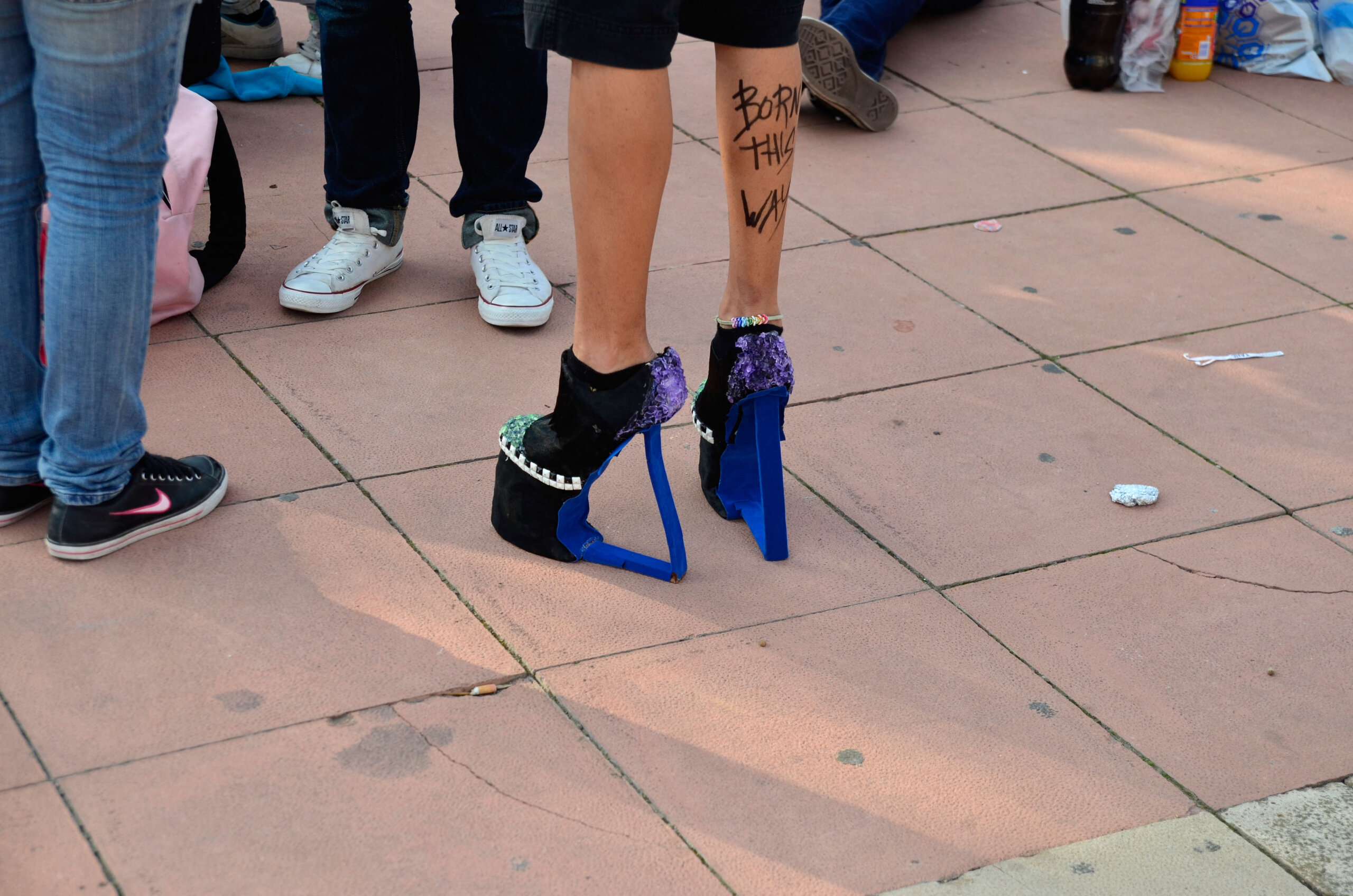
An example of Lady Gaga’s tall heels. Pic credit: Alamy
As a 5’10” woman myself, heels have always been a sore subject for me as I don’t want to tower above everyone else but the only heel style I like, is the high heel. Sorry not sorry, I hate kitten heels!
Examples of my favourite kinds of heels. Pic credit: Isabel Coxon Vadillo
High heel sales have increased and decreased over the years. The biggest drop in sales was during Covid. This is highly suspected to be because of working from home, it was a time of comfort! After this period of our lives, people wanted to keep that comfort while at work, so they ditched the heel. During this time, we also saw a resurgence of kitten heels and flats, due to the trends of the era. These heavily influenced the decrease in heel sales. However, sales have been slowly creeping back up. The Compound Annual Growth Rate is expected to grow by 1.8% from 2026 to 2035, showing that heel sales will keep increasing for years to come.
Stilettos have been seen on style icons and celebrities so much over the years that Zendaya is known for wearing the So Kate Christian Louboutin pumps, which in itself is already an iconic heel as it is inspired by Kate Moss, who is probably the biggest style icon of the 90s. Zendaya has had to train her feet to be able to wear these stilettos, they are known for being extremely painful. This highlights one of the key disadvantages of high heels – the inevitable pain!
I am speaking to an ex-podiatrist to find out more about these disadvantages, that may well change your mind on your frequency of wearing heels. Victoria Perkins worked as a podiatrist for 20 years on and off but has now been out of practice for five years.
Victoria tells me all the health risks that come with high heels, so get prepared to change your usage of high heels!
“From a short-term perspective, things like blisters, corns and calluses can develop. You can also get damage to your nails.
“This can then turn into long-term problems. That repetitive trauma of wearing that high heel can lead you to have thickened nails, and once a nail bed is damaged, you’ve damaged it permanently. Heels also cause problems for the mechanics of the foot. The pressure of having your forefoot fully loaded with your weight can cause quite a few problems across the ball of your foot. It tends to shorten your calf muscle and that can cause problems like plantar fasciitis. Basically, it’s not a natural position for your foot to be in and what your foot needs to do to be able to walk can’t really happen when you’re wearing high heels. So, it alters the whole way that your body really works because you’re in a completely different position to what you should be naturally.”
View this post on Instagram
I bet you’re asking yourself right now ‘is my daily use of high heels really worth all these health risks’, but then again everything comes with complications so why not?
Victoria’s opinion on this is “when you start getting real painful problems that then people would reassess whether they really want to wear them or not, and whether the advantages outweigh the disadvantages at that point.”
If your opinion on heels has changed since reading this, here is the type of heel that Mrs Perkins suggests is the best one to wear: “A small heel or a small thickness of sole is a good idea. Trainers are the best thing for your feet really.”
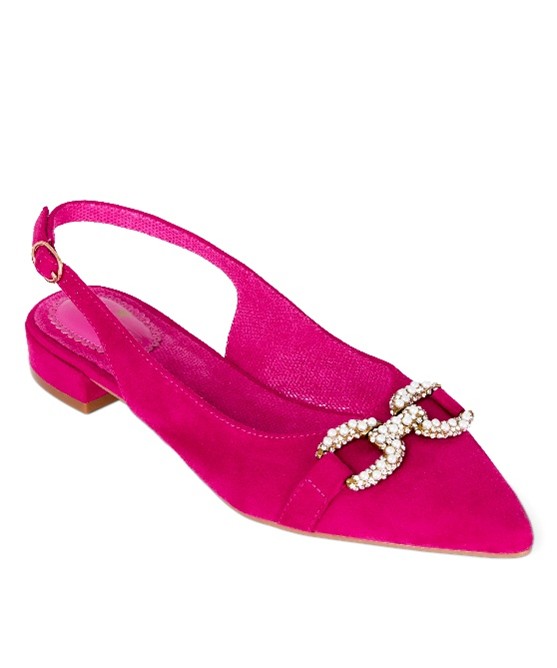
The type of heel Victoria suggests. Pic credit: Joe Browns
Now to lift the spirits, here are some advantages of wearing high heels, as told by Emma Graham, a fashion design student at Leeds Art University.
She says “If you were to see someone wearing heels, I think subconsciously you automatically think they have an interest in fashion. In terms of business settings, I think they allow you to look more professional which I think can lead you to be taken more seriously or just perceived as more mature.”
Miss Graham invites the comeback of heels, stating “you see a lot of people wanting to become casual heel wearers on the day-to-day. Personally, I love the comeback of heels as it’ll allow so many more options for personal style.”
She believes the best type of heel is what the stars of our world are wearing. “Singers like Sabrina carpenter are able to do back-to-back shows, spending hours in platform heeled boots because the actual heel itself might not be that steep but because it’s on a platform you still get the elevation. In terms of specific brands, you see a lot of high praise for Charles & Keith heels, and Steve Madden. Playing it safe you’d lean towards more of a kitten heel as your foot is closer to its natural position, but I think if you were to find a good quality well fitted shoe with enough support you could go as high as you want.”
Emma can also see the disadvantages of high heels today, she proclaims “in an age of mass consumerism, the quality of anything has taken a steep decline and heels are definitely a victim of that in a way. You see a lot of heels that have the actual heel too far back in the shoe and not actually underneath the heel giving support. More and more shoes are being made of pleather, so the longevity starts to decline and if you were to buy an ill-fitting shoe, you open yourself up to blisters and general pain after not much time of wearing it.”
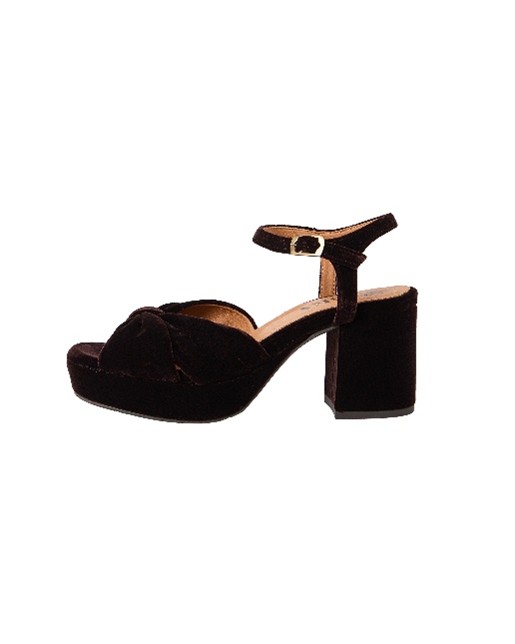
The type of heel Emma suggests. Pic credit: Oliver Bonas
It’s fair to say heels are coming back into the domain, meaning women are getting taller, more stylish and more professional. But for how long are we going to ignore our body’s needs?