How Independent Fashion Businesses in the North East are Navigating the 2026 Spring Statement
The impact of a stability-focused statement on the region’s clothing providers is big. Isabel Vadillo shares how these businesses are surviving and the advice they have.
The North East fashion retail industry entered 2026 already facing a challenging business environment, defined by tightening profit margins and low investment. With recent data from Reuters Analytics reporting that 77% of retailers saw a drop in sales volume compared to last year, this has been the sharpest decline in over 40 years. At the same time, hidden operational costs that are estimated at around £3.9 billion across the fashion sector, according to Retail Economics, are eating into profits. For businesses operating in the North East, these pressures are leaving them in need of support.
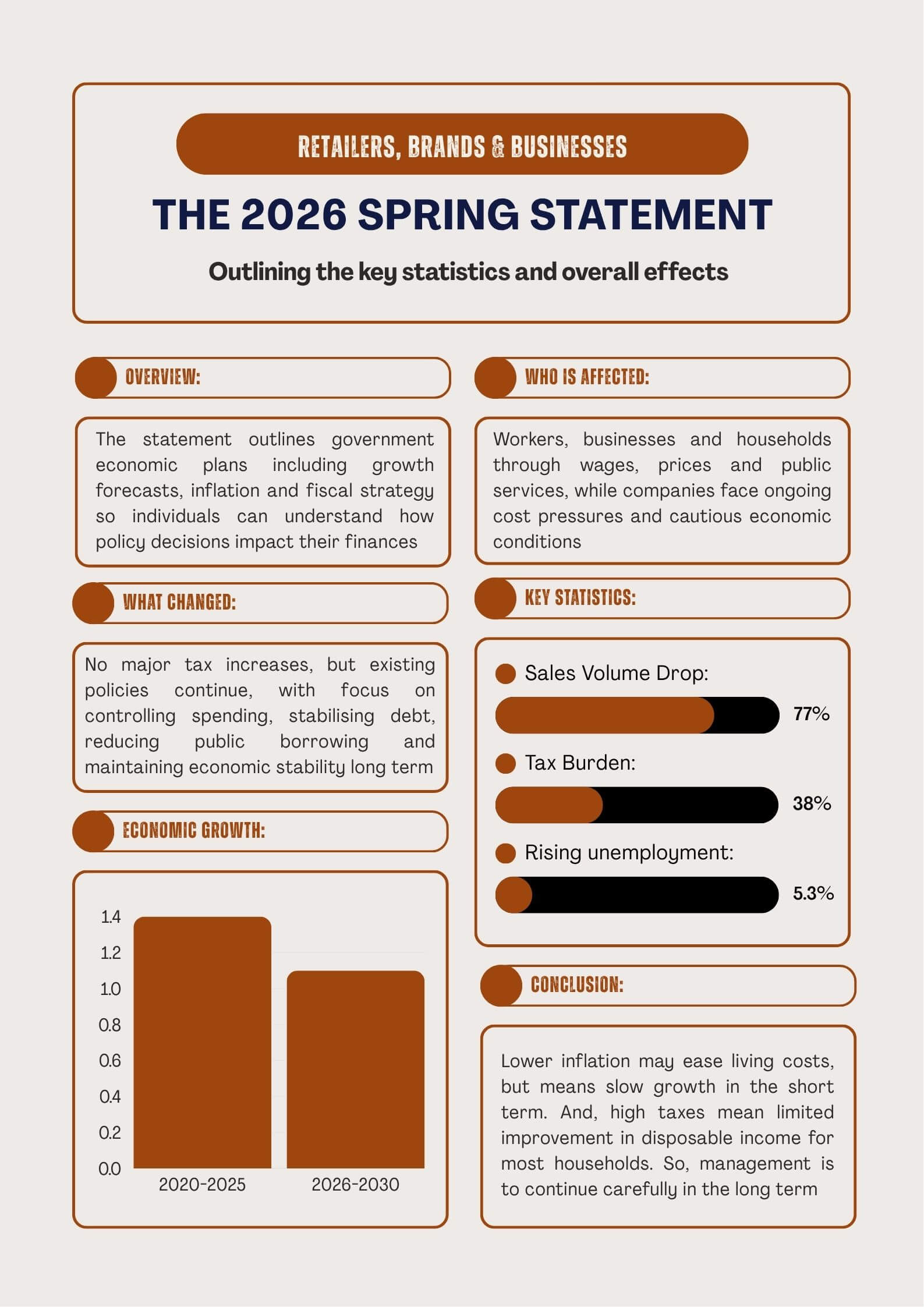
An Infographic explaining the 2026 Spring Statement, what it has changed and who it affects, along with key statistics. Credit: Isabel Vadillo.
Many had hoped the Spring Statement would offer some immediate relief. Instead, Chancellor Rachel Reeves focused on economic stability and predictability for the long term. While the measures are not necessarily causing direct harm, boutiques in Sunderland, Newcastle upon Tyne and Durham are unlikely to feel at ease of current pressures. The changes alternatively offer a more stable position for forward planning.
Growth forecasts within the statement are noticeably weaker, downgrading from 1.4% to 1.1%, as reported by The Times. For the North East, where consumers tend to be more price-sensitive due to lower average incomes, this issue of reduced high street footfall is striking. Spending on non-essential items is often the first to be cut back targeting fashion directly and causing slower sales growth overall.
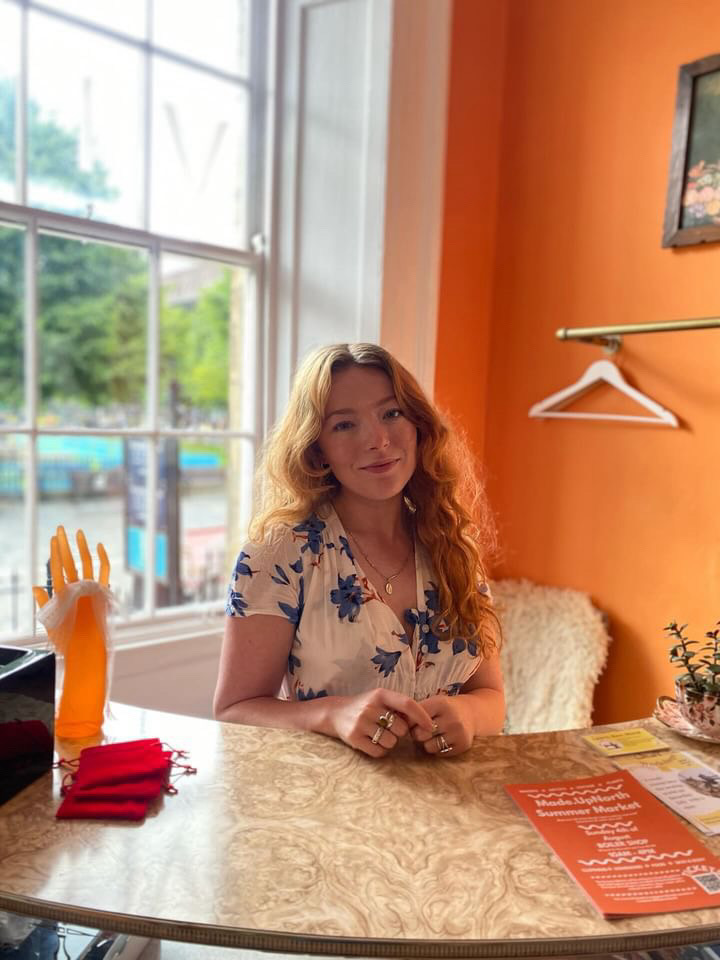
Laura Jackson, founder of Friday Vintage based in Newcastle, addressing the state of support for independent fashion retailers in the North East. Credit: Laura Jackson
Laura Jackson, founder of independent retailer Friday Vintage, is an advocate for stronger council support, particularly for fashion businesses that feel overlooked in policy decisions like the Spring Statement. Alongside building her business sourcing and selling original vintage pieces, Jackson has become increasingly aware of the challenges facing regional retailers. Her perspectives reflect a wider frustration across the area, where many feel underrepresented.
The North East has for a very long time now not benefitted half as much as the South has.- Laura Jackson
“I’m not surprised that they’re going with this stability-focused approach. I think, to me, this is just a sign of a failed capitalist society… I’m all about sustainability and being eco-friendly, and that word ‘eco’ goes into ‘economy’, it feeds into that whole system, how it thrives and how it works. I’m not surprised that people are moving away from a system that has failed but no, I don’t think it’s necessarily good enough… In a way, it almost feels like it’s setting businesses up to fail,” she said.
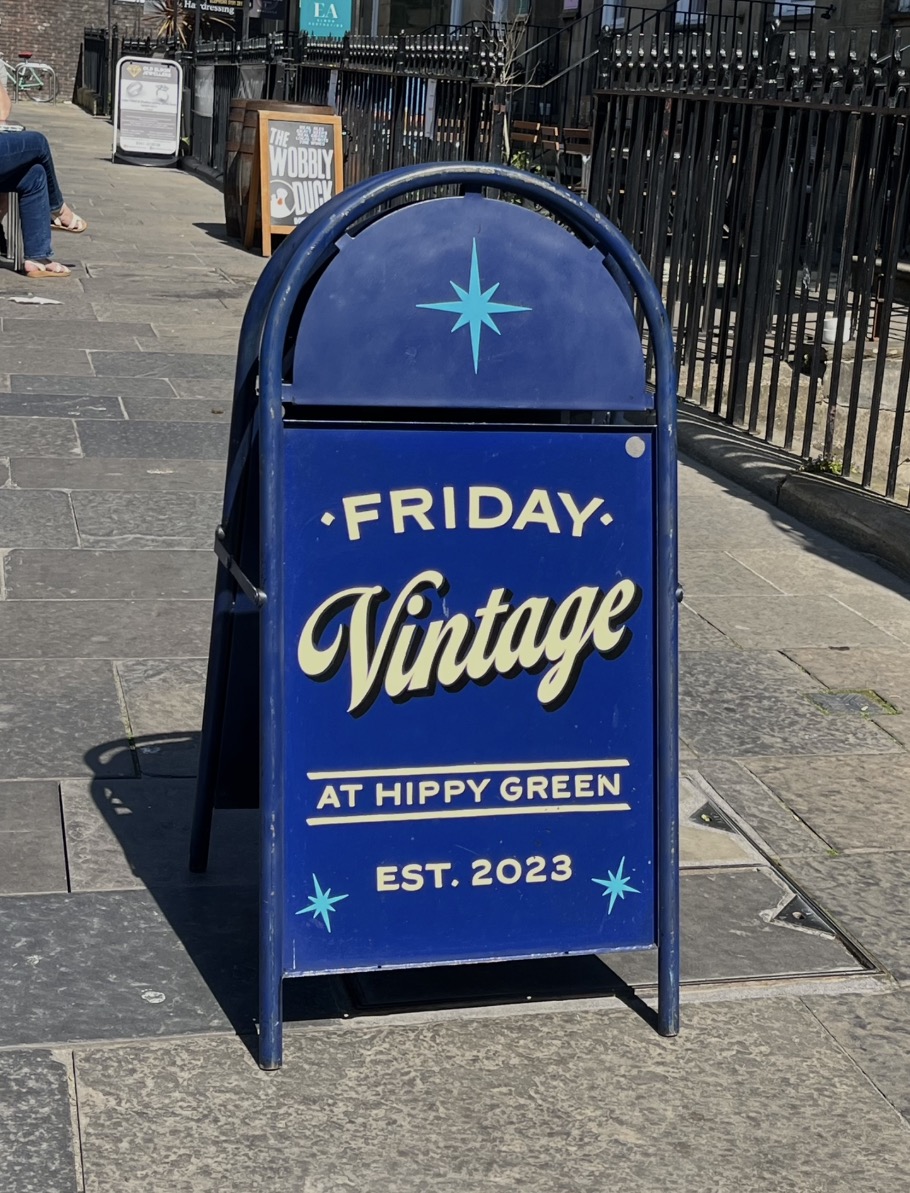
The welcoming sign outside Friday Vintage in Old Eldon Square, Newcastle invites you into the vintage space. Credit: Isabel Vadillo
When asked what support is most desired from the government, Jackson responded: “Financial. Absolutely financial support… We are made to feel that money is greed but I don’t think it’s necessarily a bad thing for us to need or want grants. I did look into getting a grant sometime last year… he said if I had gotten in touch even five years ago there would have been opportunities for me to have jumped on, but not anymore.”
Lesley Mavin, a Liberal Democrat councillor who has represented County Durham for the past nine years, reflects on the recent changes. She remains optimistic, recognising that the previous government has left a lasting impact that cannot be resolved overnight. Mavin notes: “I’d like to see them do more… We’ve had 14 years of hostility with our previous government so people are still struggling with the effects.”
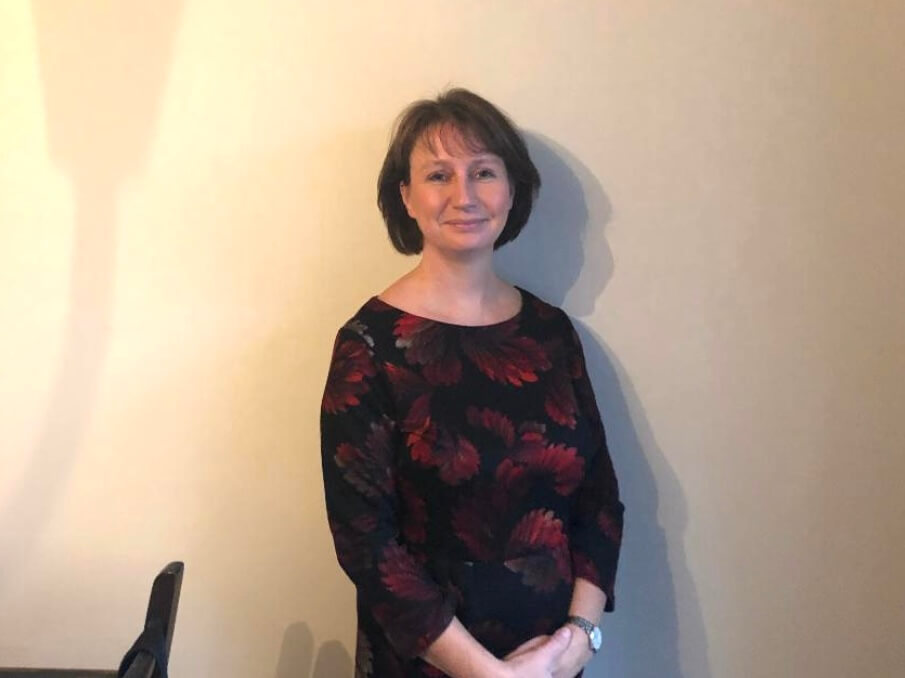
Lesley Mavin, Liberal Democrat councillor for County Durham providing her perspective on the government’s economic decisions. Credit: Lesley Mavin
Further highlighting the financial strain on North East independents, Jackson outlines the cuts and sacrifices she’s made to keep her business running, as rising costs become increasingly unmanageable without direct government support. “At first I was paying for advertising, which I can no longer afford because it has doubled online in the three years that I’ve had the shop, making it impossible. The costs of things just keep continuing to rise…I remember when I did my financial forecast for my business advisor when I got the loan to open the shop, I just made it up, there’s absolutely no way I could’ve predicted these things,” she said.
I think the government have been failing us for a very long time in lots of ways.- Laura Jackson
As mentioned earlier, hidden costs in the fashion retail sector total around £3.9 billion, with rent and ongoing maintenance making up a significant share of expenses for independent shop owners. Jackson supports this point saying: “The rent is unsustainable to a degree. I always think, if only the rent was a little bit cheaper, then I would be able to pay myself a little bit more which would be very nice because some months I can’t pay myself at all.”
An inside look at Jackson’s brilliant independent shop and the fashion it has to offer. Credit: Isabel Vadillo
Jackson added: “For having a city centre store where I am running it completely on my own, I don’t feel as though there is a lot of support available to me. I’ve had to work out everything.”
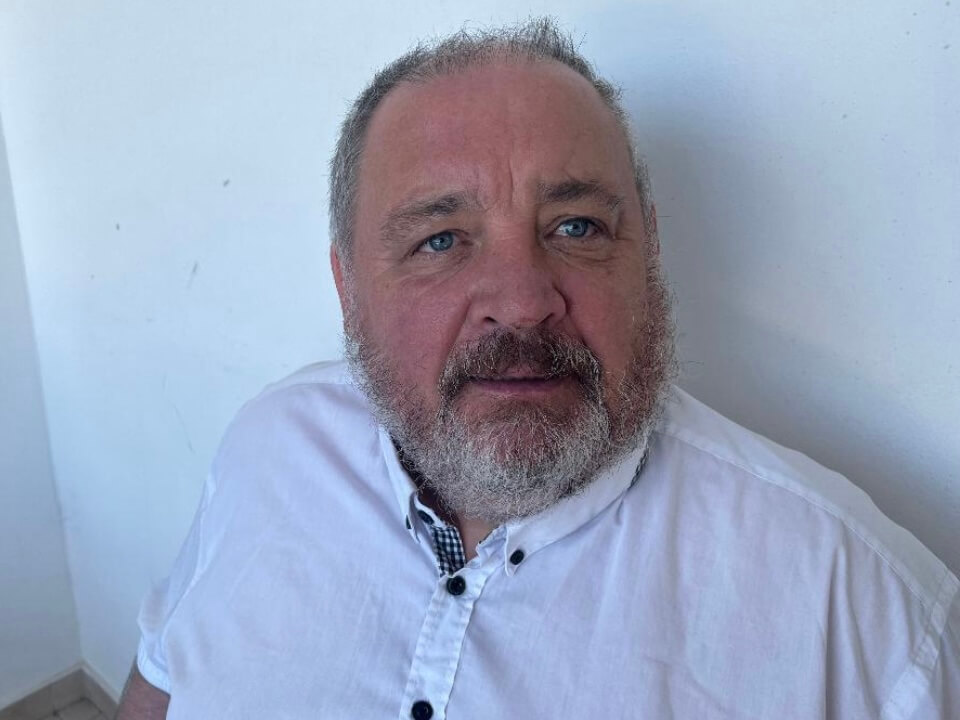
Eric Mavin speaking on the support the council can offer to North East businesses in the financial crisis during 2026. Credit: Eric Mavin
In contrast, Eric Mavin, a Durham county councillor of 14 years, offers a more reassuring perspective, suggesting that reaching out to the local council can help ease financial pressures, highlighting a gap between the support available and what some business owners feel they actually receive. He said: “I do think the council can help, I helped local businesses get money from the government in the past so if they need help affording rent we can contact agents to possibly reduce it… Anything that’s going to help people who are struggling in this country is a good thing.”
While the Spring Statement sets out the government’s wider economic direction, Laura Jackson emphasises a clear disconnect between policy and realities facing independent fashion retailers. Hidden costs and limited support continue to place pressure on these businesses, especially in lower-income areas where the impact is felt the most, even as many owners remain committed to keeping their stores running. As Jackson said: “I really think it is in the best interest of the government to support independent businesses. We need them more than ever to pump money into the local economy… the more you support small businesses, especially in a place of lower income, you’re going to see that place thrive.”