Are Natural Fibres Taking over the Fashion Industry?
The rise and fall of plastic clothing and what businesses need to know about each fabric
View this post on Instagram
In recent years, both small and big businesses alike, including H&M and Mate the Label, have started advertising their clothing as 100% cotton or 100% wool. Furthermore, social media users seem to be very interested in the concept as the new shopping app Siftag already has 50,000 TikTok followers. The app filters through fabric composition and only displays 100% cotton, wool or linen items.
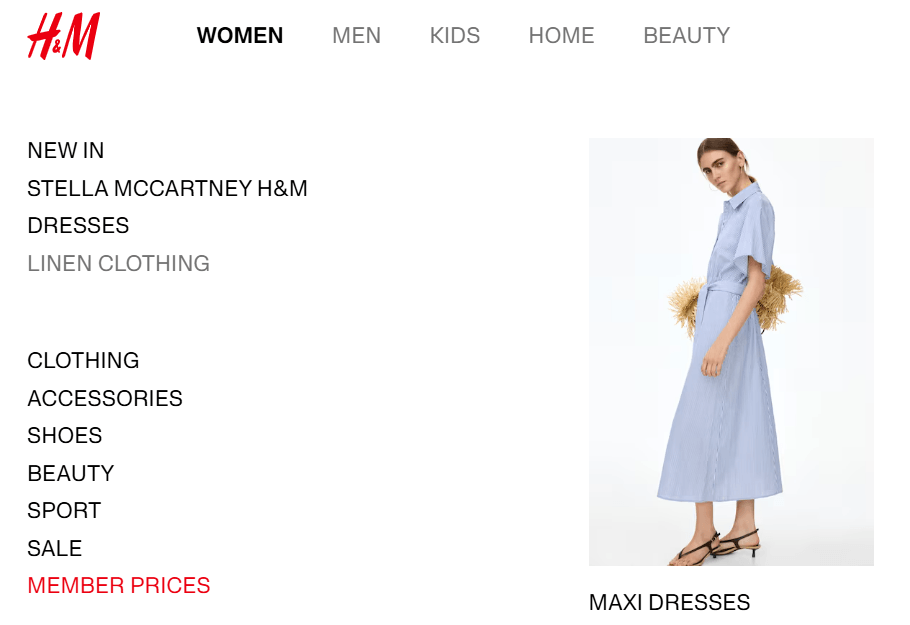
H&M website May 2026
View this post on Instagram
Biochemist and brand consultant, Lydia Dupree, who has created a platform of vetted brands that are non-toxic and ethical, explained: “I feel like all I’m seeing right now is small brands pop up that are using 100% cotton and all that, which is awesome”. One of Dupree’s most successful collaborators is Mate the Label with 499,000 Instagram followers, who create GOTS certified organic cotton with lower tox dyes.

Lydia Dupree, Biochemist and Brand Consultant (Photo Credits: Lydia Dupree)
Naomi Austin, a senior lecturer in Fashion Design and Promotion at the University of Sunderland, who previously worked as a sportwear designer for brands including Reebok and Umbro, partially agreed with Dupree, saying: “I won’t say a massive increase because that could have been more, [but] there has been an increase.”

Naomi Austin, Fashion Designer (Photo Credits: Naomi Austin)
When questioned about why this change is occurring right now in the fashion industry, both Dupree and Austin suggested that it is down to the public becoming more educated and aware of climate change and microplastics, referencing influential figures like Greta Thunberg and Stacey Dooley, as well as social media and attention-grabbing headlines about how your workout clothes are killing you. Austin also believed that the Rana Plaza disaster, the collapse of a Bangladeshi garment factory in 2013, had a huge ripple effect that led to 2018 campaign Fashion Revolution. This led to more people avoid fast fashion retailers.
“Two thirds of clothing in the USA is made of plastic”, explained Kirstie Pecci, environmental attorney and executive director of US non-profit organisation Just Zero. “It’s a huge climate problem, creating a lot of climate gases. The other problem is that you cannot make plastic without toxic chemicals. Polyfluoroalkyl substances, we think that about half of those are produced to be used in plastic materials.” Pecci described how all clothing fibres naturally shed and how that is leading to microplastics in everyone’s waterways through the use of washing machines.
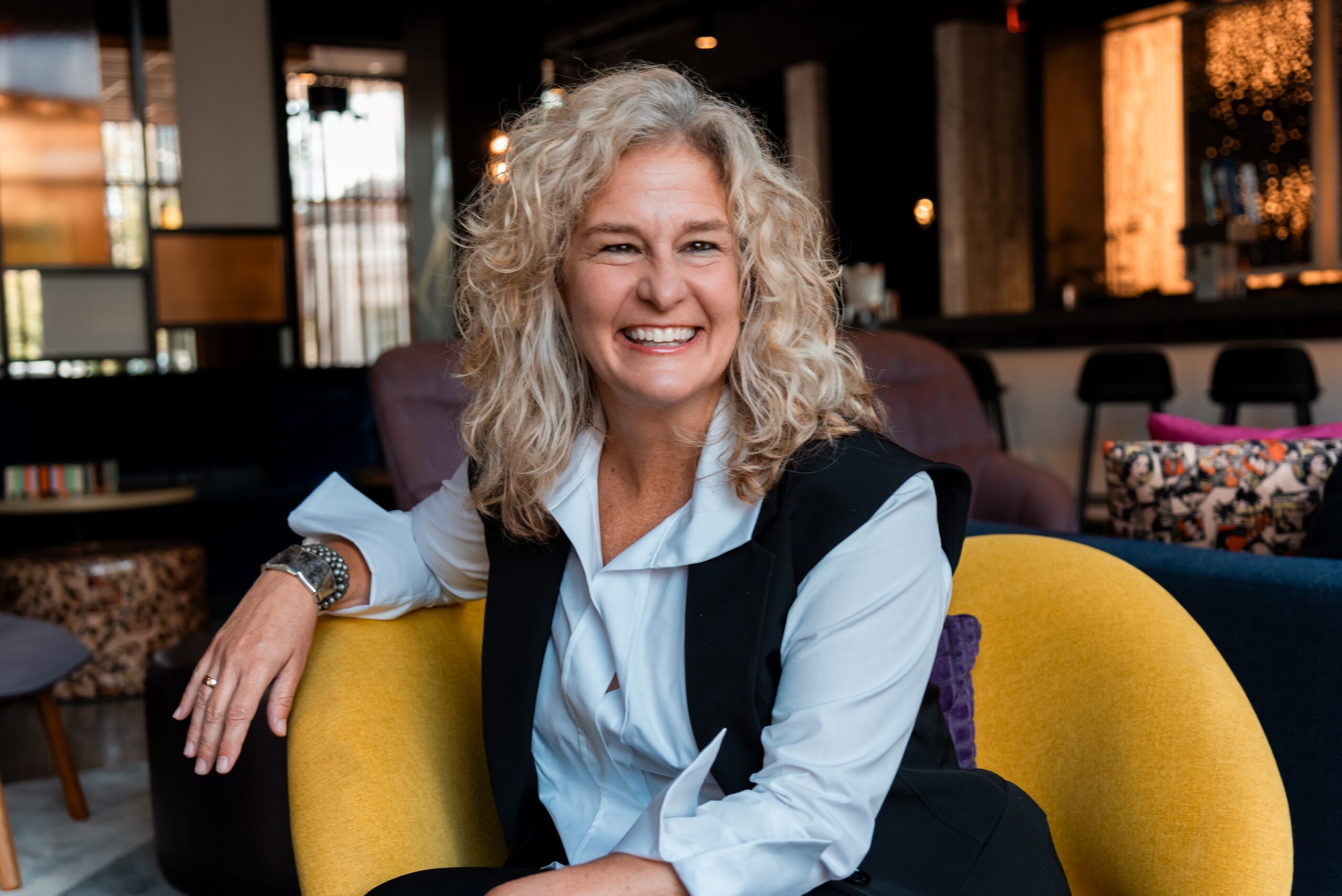
Kirstie Pecci, Executive Director of Just Zero (Photo Credits: Kirstie Pecci)
Dupree added: “Plastic-based fibres are just woven in a way where polyester is mostly hydrophobic, so if you’re working out in it, it’s pushing sweat closer to your skin, and because bacteria likes that heat and moisture, it can result in odour and breakouts.”
Furthermore, only certain dyes can adhere to plastic-based materials. This is primarily a class called disperse dyes, which can cause skin irritation especially for people with eczema or sensitive skin, and azo disperse dyes and certain finishes have been linked to increased risk for cancer. Whilst azo dyes are being phased out, they are still being used by some manufacturers.
View this post on Instagram
Biochemist Dupree explained that plastic is still used because “it’s a lot cheaper to produce” and it’s developed from oil, which requires less production steps and expensive equipment than cotton.
However, Pecci suggested that oil is “practically free” because it has been “heavily subsidised” by governments. “Some business models, like fast fashion, started right after fracking right around 2002 or so. The plastic clothing was most definitely in response to the fracking gas.”
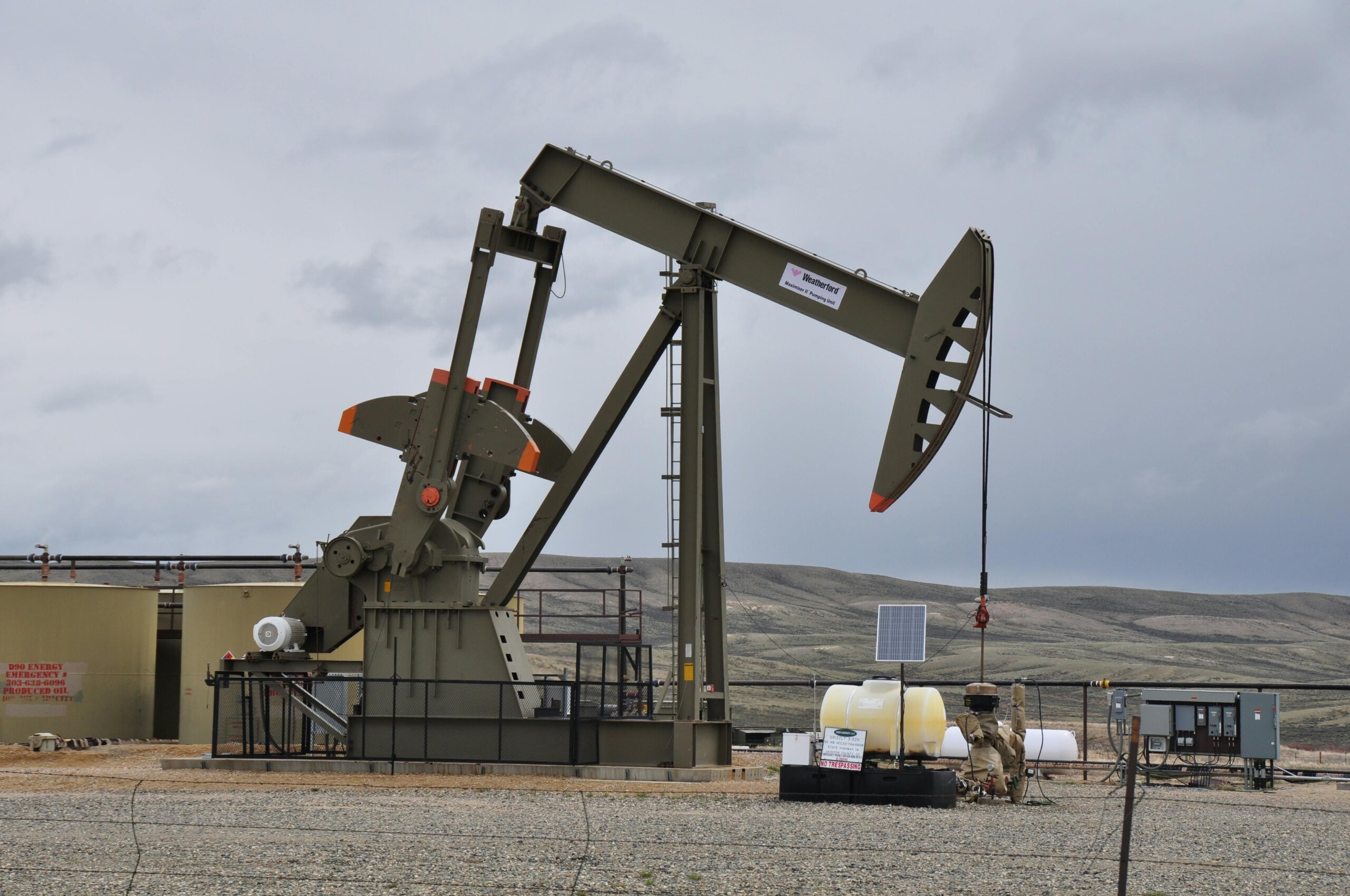
Oil pump (Photo Credits: Tom Fournier, Pexels)
As oil prices have surged after the Iran War began in February 2026, the cost of plastic will inevitably increase too. “It’s something that I’ve started to talk to different brands about,” Dupree stated. She proposed that there will be an increase in deadstock, recycled polyester and potentially “they’ll be prompted more into like cotton” or at least cotton blends.
However, cotton production is not without its own issues. “It’s around 2500 litres of water that’s used for one t-shirt. That equates to the amount of drinking water one person would drink over two and a half years,” Austin emphasised.
Additionally, “it is very expensive to make clothes out of just natural fibres and also to treat workers well”, stated Pecci.
However, Austin added that: “cotton is the most favoured fabric to sew because it is not slippery, and when you cut it, it’s more predictable in how it’s going to move. Polyester is difficult because that’s got a stretch.” Therefore, cotton may be easier and more cost effective to use in a factory setting.
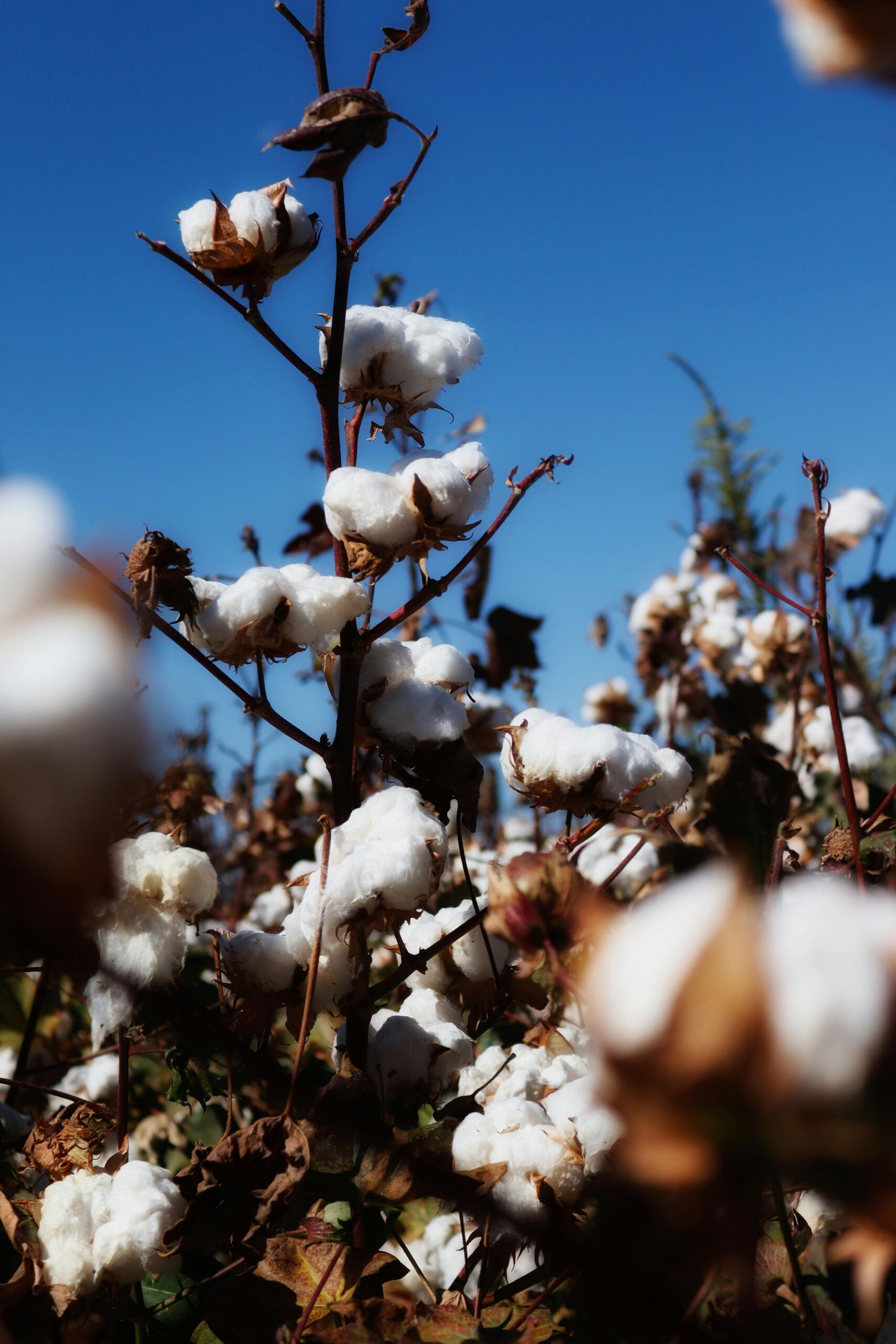
Cotton plant (Photo Credits: Zahara, Pexels)
Whilst cotton is hydrophilic, so it is theoretically better suited for sportswear, Dupree has noticed “some people say that they don’t like working out in that because it can be a little bit heavy”. Also, merino wool is naturally anti-odour and anti-bacterial, yet there have been concerns about the ethics of sheep shearing Dupree said, with Austin adding that merino sheep are costly and limited by climate.
Designer Austin said bast fibres are the most biodegradable and disadvantages like stiffness can be improved upon through cottonization, which has been used successfully by Levi’s.
She implied that the cost could decrease if the Government gave incentives. She referenced Germany’s End of Life Vehicle Directive, in which the German Government paid car manufacturers like Audi and Volkswagen when they used linen car seats.
(Photo Credits: MART PRODUCTION, Pexels)
Pecci agreed that Government policy could increase the use of biodegradable materials. She suggested that unit-based pricing decreases non-biodegradable rubbish by 40 or 50% as people are more aware of how much they’re buying and discarding. Additionally, France’s new fashion law mandated that retailers must state environmental impact near the product’s price to increase consumer awareness.
As a Fashion Promotion teacher, Austin says that she would promote natural fibres, specifically bast fibres, through creating stories on social media about the process from beginning to end, emphasising their biodegradability and their heritage. In order to increase consumer demand, “we need to now start education consumers into the longevity and the quality of a garment over the disposability”. Dupree agreed: “When you have that understanding of why, then you’re more likely to make the change versus someone just saying ‘Avoid Amazon and go to this brand instead’.”